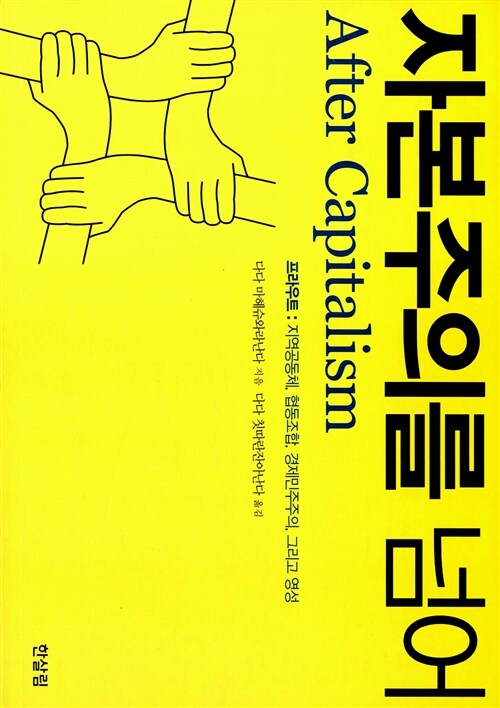
자본주의를 넘어 - 프라우트 : 지역공동체,협동조합,경제민주주의,그리고 영성
다다 마헤슈와라난다 (지은이),다다 칫따란잔아난다 (옮긴이)


미리보기
종이책전자책 12,600원
이 책의 원서/번역서
 After Capitalism: Economic Democracy in Action (Paperback) Paperback
책소개
자본주의 이후의 세상, 어떻게 바꿀까? 2008년 글로벌 금융위기 이후 더욱 분명해진 신자유주의 자본주의 모델의 한계를 극복하기 위한 다양한 대안들을 구체적인 사례와 함께 짚어 준다. 보다 나은 세상을 만들기 위한 협동조합과 영성적 혁명에 관한 내용들이 새롭게 강조된 것도 이 때문이다.
사카르는 글로벌 자본주의를 급진적으로 비판하며, “인간 중심적이면서 인간의 다차원성을 인정하고, 자연과 개인과 사회, 육체와 정신과 영적인 면을 모두 아우르는 전일성”을 가진 경제 개념을 강조했다. 지은이는 이런 비판을 현실에 적용하며, 자본주의를 혁명적으로 해석한다. 자본주의를 ‘생산’에 얽힌 사회적 관계들, 즉 자본, 노동 등을 조직하는 시스템이라는 측면에서 탐구하는 동시에 존재론적·윤리적·인식론적인 틀에서도 다루고 있는 것이다.
목차
감사의 글
한국의 독자들에게
한국어판을 펴내면서 ? 모심과살림연구소
권하는 글 - 마르코스 아루다
저자 서문
1장 글로벌 자본주의의 실패와 경제공황
2장 영적 가치에 기반을 둔 새로운 사회체제
3장 살아갈 권리를!
4장 경제민주주의
5장 더 좋은 세상을 위한 협동조합
6장 농업혁명과 환경보호
7장 계급, 계급투쟁, 혁명에 관한 새로운 시각
8장 영적 혁명가
9장 윤리와 정의에 대한 새로운 시각
10장 “우리의 문화가 우리의 힘이다” 문화적 정체성과 교육
11장 프라우트의 관리체제(거버넌스)
12장 행동의 요청: 프라우트의 실행 전략
13장 노엄 촘스키와의 대담
후기 새로운 세상을 만드는 것은 우리의 손에 달려 있다 - 프레이 베투
부록
A - 토의할 질문들
B - 프라우트 공부·행동 모임 만들기
C - 우리 지역과 연관된 경제적, 사회적 질문
D - 6장의 구역 단위의 계획수립 연습에 대한 해답
E - 프라우트 슬로건
옮긴이의 글
접기
책속에서
글로벌 자본주의의 치명적인 네 가지 결점
“글로벌 자본주의에는 상호 관련된 네 가지의 결점이 존재한다. 첫 번째 치명적 결함은 부의 극단적인 집중이다. 지나친 탐욕, 부와 여타의 물질적인 것들에 대하여 스스로 행동의 결과를 고려하지 않는 이기적 추구는 다른 사람들이 필요한 것들을 빼앗는다.”(59쪽)
“글로벌 자본주의의 두 번째 치명적인 결함은 현재 투자의 대부분이 생산부문보다 투기부문으로 들어간다는 점이다. 최고 부자들이 소유한 막대한 부가 창업, 고용, 제품 생산에는 거의 들어가지 않고 있다. 큰손들에게 투자 동기를 부여하는 것이 무엇인지를 관찰하면 왜 이와 같은 현상이 일어나는지 알 수 있다.”(61쪽)
“글로벌 자본주의의 세 번째 치명적 결점은 소비자와 사업가 모두를 부추기는 신용 구매로 인한 부채이다. 금융기업들은 수억 달러를 들여 ‘부채를 바람직하며 위험이 없는 것으로 인식하게 하는’ 선전 캠페인을 벌인다.”(63쪽)
“글로벌 자본주의의 네 번째 치명적인 결함은 자연환경을 착취하고 무시하는 자본주의 체제의 성향이다. 인간에게 극심한 고통을 야기할 뿐만 아니라, 자본가의 탐욕과 잘못된 경영은 환경을 파괴하고 있다. 이윤 추구를 위한 끝없는 갈망 때문에 기업들은 영향력, 돈, 권력을 사용하여 환경 관련 법과 규제를 피해가거나 이러한 법의 효력을 제한하게 만든다.”(66쪽)
경제민주주의
“인간 사회는 모든 사람들에게 높은 삶의 질을 가져다주는 공평하고 지속가능한 경제를 분명히 당연하게 원하고 있다. 이런 역동적인 경제는 대중의, 대중에 의한, 대중을 위한 민주적 경제이다. 프라우트는 이윤 추구를 경제의 목표로 보는 것을 거부하며, 경제정책의 기본을 대중의 실질적인 수요를 충족시키는 데 두고 있다.”(159쪽)
“경제적 민주주의는 대중이 지역적인 소규모 개인 기업, 노동자 소유 협동조합, 공적으로 관리되는 시설 등을 통해 자신의 삶과 지역사회를 형성하는 데 직접적으로 연결되는 경제적 의사 결정을 할 수 있도록 힘을 불어넣어 준다. 경제적 민주주의는 의사결정권을 지역으로 분산시키며 어떻게 지역의 경제를 운영해야 할지 결정하는 권리를 지역민들에게 주는 것이다.”(159쪽)
더 좋은 세상을 위한 협동조합
“‘인간의 본성은 바꿀 수 없다’고 주장하는 이들은 사람들이 자본주의 사회에서 일정한 양식으로 행동하게 되는 그 행동 양식이 인간의 핵심적인 본성을 반영한 것이라고 가정하는 오류를 범하고 있다. 자본주의는 이기심과 탐욕, 그리고 옳건 그르건 간에 모든 수단을 동원한 승리에 대해 보상을 해 준다. 따라서 이와 같은 사람들의 행동 양식은 모든 인간에게 자연스러우며, 개인의 이윤을 위한 경쟁적인 투쟁이 아닌 다른 어떤 것에 기반을 둔 사회를 건설하기란 불가능하다고 결론짓는다.”(200쪽)
“오늘날 대부분 인류학자나 심리학자들은 ‘본성nature이냐 형성nurture이냐’의 문제가 ‘이것 아니면 저것’이라기보다 상호 연관된 것이라고 주장한다. 우리들은 특정한 본능과 성향을 지니고 태어났으나, 교육과 계발 그리고 스스로의 의식적인 선택을 통해서 행동과 품성, 인격을 바꿀 수 있다.”(201쪽)
행동하는 영적 지성인 ‘사드비프라’
“언젠가는 착취 받던 대중 가운데에서 현명한 사람들이 등장하게 되며, 이미 자본가에게 대중매체가 장악되었다 하더라도 자본가들이 대중을 속이는 방법들이 드러나게 된다. 이 단계에서 착취자들은 해방의 씨앗이 싹트지 못하도록 온갖 머리를 쓰게 된다. 그들은 민중으로부터 불만의 파도가 터져나오지 못하도록 높은 제방을 쌓기 위해 마지막 안간힘을 써서 교육제도, 출판과 홍보 기관들을 통제한다. 그러나 오래지 않아 불만에 가득 찬 대중이 봉기를 하게 되고 높이 쌓았던 모래 제방은 혁명의 노도에 의해 무너져 내리면서 변화의 날은 오게 된다.”(330쪽)
“프라우트는 역사를 계급투쟁이라고 보는 거시적 관점을 견지하지만, 동시에 뛰어난 개인들은 사회에 영향을 미치고 희망을 줄 능력을 지니고 있다고도 본다. 프라우트는 문자 그대로 정묘한 마음을 지닌 자들이라는 의미의 사드비프라sadvipras라는 지성을 갖춘 영적 지도자들이 형성될 것이라고 전망한다.”(331쪽)
우리의 문화가 우리의 힘이다
“프라우트에서는 대중매체가 자본가들의 통제로부터 벗어나 기자, 예술가, 교육가들로 구성된 협동조합에 의해서 운영되고, 모든 연령층을 대상으로 한 대중교육을 목표로 해야 한다. 대중매체는 문화, 인간의 가슴 속 깊이 내재하는 가치, 보편주의(모든 존재들을 대등하게 보는 태도)를 진작하는 고무적인 것이어야 한다.”(407쪽)
“교육의 목표는 해방, 즉 모든 정신적 속박과 한계로부터 사람들을 자유롭게 해 주며, 사람들 간의 유대를 증진시키는 것이어야 한다. 가슴 속의 가치를 가르치는 것은 매우 중요하며, 이는 다른 이들의 행복에 책임감을 갖도록 학생들을 일깨워 준다.”(407쪽)
노엄 촘스키와의 대담
“점령하라 운동이 주는 또 하나의 효과는 작은 규모의 사회적 연대 체제, 상호부조, 협동, 협동조합 식당, 도서관, 건강 서비스, 모든 사람들이 서로 교류하는 총회 등을 동시에 만들어 냈다는 것이다. 지금 우리 사회가 거의 상실해 가고 있는 것들이다. 이 운동이 가져다줄 잠재성을 생각해 보자면, 이러한 운동 전략이 성공한 이후에도 위와 같은 사람 간 연대와 같이하는 정신을 무엇보다도 중시하게 되는 것이 잠재성의 한 부분이라 할 수 있다.”(512쪽, 노엄 촘스키)
“경제민주주의가 제대로 기능하지 않고서는 제대로 된 의미의 정치적 민주주의는 불가능하다. 나는 노동자 대중이 이를 어느 정도는 이해했다고 생각한다. 이것이 대중의 주의를 끌고 이를 통해 각성이 일어나야 하는데, 지금은 바로 수면 아래에 있는 상태이다.”(514쪽, 노엄 촘스키)... 더보기

여성들은 아주 어려서부터 자신의 가치가 얼마나 아름답고 날씬하며 섹시하게 보이는가에 달려 있으며, 그러기 위하여 의상과 미용용품을 구매하는 것이 인간관계는 물론 인생에서 성공하는 열쇠라고 배우며 자란다. - Koni
추천글
이 책을 추천한 다른 분들 :
한겨레

- 한겨레 신문 2014년 11월 6일자 잠깐독서
저자 및 역자소개
다다 마헤슈와라난다 (Dada Maheshvarananda) (지은이)
저자파일
신간알림 신청
마헤슈와라난다는 산스크리트로 ‘지고존재의 무한한 기쁨을 느끼는 이’라는 뜻이다. 미국 출신의 마헤슈와라난다는 사카르가 1955년에 인도에서 설립한 명상과 봉사 단체인 아난다마르가(www.anandamarga.net)의 수행법을 1974년부터 실천하면서 내면의 깊은 충족감과 행복을 체험하였다. 1978년 1월 감옥에 있던 사카르를 만나 감명을 받고 다다(출가수행자)가 되었다. 이후 동남아시아, 유럽, 남아메리카 등에서 사회봉사 사업을 조직하였고, 사카르가 창안한 ‘프라우트’를 전세계에 알려 왔다. 현재는 베네수엘라에서 프라우트연구소를 설립하여 프라우트의 이론 및 실천 방법을 보급하고 있다. 접기

최근작 : <자본주의를 넘어>,<건강한 경제모델 프라우트가 온다> … 총 8종 (모두보기)
다다 칫따란잔아난다 (Dada Cittarainjanananda) (옮긴이)
저자파일
신간알림 신청
마헤슈와라난다는 산스크리트로 ‘지고존재의 무한한 기쁨을 느끼는 이’라는 뜻이다. 미국 출신의 마헤슈와라난다는 사카르가 1955년에 인도에서 설립한 명상과 봉사 단체인 아난다마르가(www.anandamarga.net)의 수행법을 1974년부터 실천하면서 내면의 깊은 충족감과 행복을 체험하였다. 1978년 1월 감옥에 있던 사카르를 만나 감명을 받고 다다(출가수행자)가 되었다. 이후 동남아시아, 유럽, 남아메리카 등에서 사회봉사 사업을 조직하였고, 사카르가 창안한 ‘프라우트’를 전세계에 알려 왔다. 현재는 베네수엘라에서 프라우트연구소를 설립하여 프라우트의 이론 및 실천 방법을 보급하고 있다.
접기
출판사 제공 책소개
자본주의 이후의 세상, 어떻게 바꿀까?
- 오늘날 세계인구의 절반이 가난 속에서 고통 받으며 살고 있다
- 글로벌 자본주의는 본래 타고난 모순 때문에 몰락하고 있다
- 미래의 열쇳말: 지역공동체, 협동조합, 경제민주주의, 영성
“한국인들은 위대한 보물들인 아름다운 언어, 문화, 경관을 지니고 있으며 그 보물들은 이상적인 사회를 만드는 투쟁에서 훌륭한 도구가 될 것입니다. 이 책에서 ‘우리의 문화가 우리의 힘이다’라고 설명한 바와 같이, 문화는 사람들을 통합시키고 어떤 걸림돌이라도 극복할 수 있게 하는 강인함을 줍니다.”
- 지은이 다다 마헤슈와라난다 ‘한국의 독자들에게’
21세기의 첫 10년은 글로벌 자본이 가진 혼돈성, 비인간성, 파괴성을 극적으로 보여주었다. 특히 2008년 글로벌 금융위기는 자본주의 시장경제가 지닌 문제점을 분명하게 드러냈다. 이런 현실에 대한 날카로운 비판을 바탕으로, 다다 마헤슈와라난다는 《자본주의를 넘어》에서, 인도의 사상가이자 사회실천가이면서 저명한 영적 수련가인 사카르가 창안한 ‘프라우트PROUT’를 기본으로 한 대안적인 경제사회시스템을 다양한 각도에서 소개하고 있다.
2008년 글로벌 금융위기로 드러난 자본주의의 예정된 몰락
2003년에 처음 출간된 이후 10년 만에 내용을 새롭게 고쳐 쓴 이 책은 2008년 글로벌 금융위기 이후 더욱 분명해진 신자유주의 자본주의 모델의 한계를 극복하기 위한 다양한 대안들을 구체적인 사례와 함께 짚어 준다. 보다 나은 세상을 만들기 위한 협동조합과 영성적 혁명에 관한 내용들이 새롭게 강조된 것도 이 때문이다.
사카르는 글로벌 자본주의를 급진적으로 비판하며, “인간 중심적이면서 인간의 다차원성을 인정하고, 자연과 개인과 사회, 육체와 정신과 영적인 면을 모두 아우르는 전일성”을 가진 경제 개념을 강조했다. 지은이는 이런 비판을 현실에 적용하며, 자본주의를 혁명적으로 해석한다. 자본주의를 ‘생산’에 얽힌 사회적 관계들, 즉 자본, 노동 등을 조직하는 시스템이라는 측면에서 탐구하는 동시에 존재론적·윤리적·인식론적인 틀에서도 다루고 있는 것이다.
지역공동체, 협동조합, 경제민주주의, 그리고 영성을 기반으로 하는 새로운 사회체제
이 책은 다양한 문화적 배경을 지닌 저명한 기고가들의 글들도 모아 실어서, 사회경제와 인간의 전환을 위한 프라우트의 비전을 구성했다. 지은이는 칼 마르크스가 영성이나 인간이 지닌 초월적인 가치들에 대해 반대하지 않았다는 사카르의 견해를 우리와 공유하고 있다. 또한 지은이와 옮긴이 모두 프라우트 운동을 주도하는 인물들로서, 이 책에서 제시하는 사회체제나 실천 방법들이 모두 실질적인 경험과 영적인 이해에 기반을 두고 있다는 점도 아주 강력한 매력이다.
“수없이 많은 영적 운동들은 인간 사회가 갖는 온갖 문제의 해결책이 주관적인 영역에 있다고 주장한다. 그러나 프라우트에서는 이런 주장과 전혀 의견을 달리한다. 프라우트가 비록 인도의 문화와 영성에 깊은 뿌리를 두고 있기는 하지만, 프라우트 운동은 행동과 명상을 결합하고, 인간의 물질적인 발전과 영성의 측면을 결합하고 있다. 프라우트는 ‘모든 우주 존재들의 평등성을 주장하는’ 보편주의를 확고히 하는 데 기여하고 있다.” (23쪽, 마르코스 아루다 ‘권하는 글’) 접기
구매자 (0)
전체 (1)
공감순


자본주의 다음의 사회경제체제에 대한 고민과 실천

Koni 2015-05-21 공감 (0) 댓글 (0)
Thanks to
공감
마이리뷰
구매자 (0)
전체 (1)
리뷰쓰기
공감순
오늘날 여성에 대한 착취
Koni 2015-04-15 공감(0) 댓글(0)
Thanks to
공감
마이페이퍼
전체 (2)
페이퍼 쓰기
좋아요순
자본주의의 종말과 대안마르크스주의
날씨도 쌀쌀한데다 감기라도 걸릴세라 집밖으로는 한 걸음도 나가지 않은 채 주말을 보냈다. 도서관에 반납할 책들이 있었지만 한주 연장하고서. 그러고 지금은? 김연수의 <소설가의 일>(문학동네, 2014)에서 인용하자면 "독자에게 과거란 어떤 책을 읽지 않은 상태를 뜻하고, 미래란 어떤 책을 읽은 상태를 뜻한다. 그렇다면 독자에게 현재란? 어떤 책을 읽고 있는 상태다."(11쪽) 정확하게는 '어떤 책들을 읽고 있는 상태'라고 해야겠다. <데리다 평전>에서 <삶은 다른 곳에>까지 오늘도 십여 권의 책을 펼치고 덮었다. 그중 두어 권은 내일까지 완독하게 되리라. 곧 '읽은 상태'가 되리라.


아직 읽지 않은 상태이고 조만간 읽은 상태 모드로 바뀔 거 같지 않지만 자본주의와 마르크스주의에 관한 책 두 권이 새로 출간되었기에 같이 묶었다. 데이비드 하비의 <자본의 17가지 모순>(동녘, 2014)과 자크 비데/제라르 뒤메닐의 <대안마르크스주의>(그린비, 2014)다.
마르크스주의 지리학자로 알려졌지만 근년에 소개되는 책들로만 보자면 하비는 마르크스주의 경제학자로 불려도 전혀 이상하지 않겠다. <데이비드 하비의 맑스 '자본' 강의>(창비, 2011)와 <자본이라는 수수께끼>(창비, 2012)에 이어서 <자본의 17가지 모순>까지 펴냈으니 말이다. 원제는 <자본주의의 17가지 모순과 종말>이다. 번역본의 부제는 '이 시대 자본주의의 위기와 대안'이라고 돼 있지만, 제목만 보자면 17가지 모순 때문에 자본주의가 종말을 고할 수밖에 없다는 걸로 읽힌다. 소개는 이렇다.
세계적 마르크스주의 지리학자이자 사회이론가인 데이비드 하비는 이 시대의 위기를 제대로 진단하고 자본주의를 넘어서기 위해서는 여전히 자본을 잘 알아야 한다고 설파한다. 적을 알아야 적을 이길 수 있는 방법도 제대로 알 수 있기 때문이다. 하비는 이 책을 통해 자본이 어떻게 작동하고 있는지, 자본의 작동이 우리 삶의 모습을 어떻게 만들어가고 있는지 많은 사례를 통해 명쾌하게 분석한다. 문화평론가 문강형준의 평을 빌리자면 “이 책은 신자유주의의 전면화로 인한 생활세계의 황폐화와 반복되는 경제위기 속에서 힘들게 살아가는 우리들이 ‘자본의 동학’이라는 거대한 문제에 접근할 수 있게 도와준다”.
'자본의 동학' 바깥에 있는 게 아닌 이상, 이런 책을 안 읽는 건 우리의 선택지가 되기 어렵다.


<대안마르크스주의>는 프랑스의 철학자 자크 비데와 경제학자 제라르 뒤메닐의 공저다. 자크 비데의 책은 <'자본'의 경제학, 철학, 이데올로기>(새날, 1995)가 오래전에 소개된 바 있고, 제라르 뒤메닐은 도미니크 레비와의 공저 <자본의 반격>(필맥, 2006), <현대 마르크스주의 경제학>(그린비, 2009), <신자유주의의 위기>(후마니타스, 2014)로 국내 독자들에겐 나름 친숙하다. <대안마르크스주의>는 2007년작.
마르크스주의를 역사적 동역학의 관점에서 바라보고, 신자유주의 체제의 흐름을 분석하며 마르크스주의가 갖는 현대성을 드러내는 책이다. 이 책은 서로 다른 영역에서 각자 활동해 온 프랑스의 철학자 자크 비데와 경제학자 제라르 뒤메닐의 오랜 시간에 걸친 토론을 통해 구성된 작품이다. 철학자와 경제학자의 각각 색다른 시선은 마르크스주의에 내재된 다채로운 맥락을 독자들에게 선명하게 드러낸다. 저자들은 마르크스주의의 근간을 이루고 있는 생산관계나 계급들에 대한 명제들을 현대적인 관점에서 수정하고 재정식화하며, 마르크스주의가 가진 한계와 공과(功過)를 분명히 한 후 새롭게 갱신해야 한다고 말한다. 이들은 마르크스주의의 현재성을 드러내기 위해 현대 사회의 변화 과정과 경제위기마다 나타났던 현상을 철저하게 분석하면서 오래된 이론처럼 느껴지는 마르크스주의가 여전히 현대 자본주의 비판의 주된 틀이 될 수 있음을 보여 준다.
비슷한 문제의식을 담은 책들이 드물지 않게 출간돼 있지만, 프랑스의 대표적 마르크스주의 철학자와 경제학자의 견해니 만큼 참고해볼 만하다. 부제대로 '새로운 세계를 위한 마르크스주의적 대안'에 눈뜨게 해줄지도 모른다.


'비슷한 문제의식을 담은 책'이란 말을 꺼낸 김에, 다다 마헤슈와라난다의 <자본주의를 넘어>(한살림, 2014)도 보탠다. <건강한 경제모델 프라우트가 온다>(물병자리, 2008)란 제목으로 처음 소개됐던 책인데, 그 개정판이다. 원제가 <자본주의 이후>. 저자 마헤슈와라난다는 미국 출신의 출가 수행자로 인도의 철학자이자 경제사회 이론가인 P.R. 사카르의 계승자다. 사카르가 계발한 프라우트 모델은 "환경을 파괴하지 않으면서 개발이 가능한 비전, 자급자족경제, 협동조합, 환경보존, 보편적인 영적인 가치에 기반을 둔 새로운 사회적·경제적 모델"이라 한다.
마헤슈와라난다는 베네수엘라에 프라우트연구소를 설립하고 프라우트의 이론과 실천 방법을 전 세계에 보급하고 있다. 책은 제목으로 짐작할 수 있는 내용을 담고 있다. "자본주의 이후의 세상, 어떻게 바꿀까? 2008년 글로벌 금융위기 이후 더욱 분명해진 신자유주의 자본주의 모델의 한계를 극복하기 위한 다양한 대안들을 구체적인 사례와 함께 짚어 준다." 책에는 '점령하라!' 운동이 한창이던 시점에서 촘스키와 나눈 영상 대담도 수록돼 있는데, 촘스키는 이렇게 말했다.
“점령하라 운동이 주는 또 하나의 효과는 작은 규모의 사회적 연대 체제, 상호부조, 협동, 협동조합 식당, 도서관, 건강 서비스, 모든 사람들이 서로 교류하는 총회 등을 동시에 만들어 냈다는 것이다. 지금 우리 사회가 거의 상실해 가고 있는 것들이다. 이 운동이 가져다줄 잠재성을 생각해 보자면, 이러한 운동 전략이 성공한 이후에도 위와 같은 사람 간 연대와 같이하는 정신을 무엇보다도 중시하게 되는 것이 잠재성의 한 부분이라 할 수 있다.”
'자본주의 너머'를 고심하는 독자들에게 생각거리를 던져주는 책일 성싶다...
14. 11. 15.
- 접기
로쟈 2014-11-15 공감 (24) 댓글 (0)
=
Kindle
$4.32
Available instantly
Paperback
$48.53
Other Used and New from $13.88


Read sample
Follow the author
Dada MaheshvaranandaDada Maheshvarananda
Follow
After Capitalism: Economic Democracy in Action 2012
by Dada Maheshvarananda (Author)
4.0 4.0 out of 5 stars (4)
See all formats and editions
Or $12.14 /payment at 0% (Pay in 4). View 2 plans
A grassroots movement for economic democracy based on cooperatives and local economies is quickly growing throughout the planet. After Capitalism, inspired by P.R. Sarkar's Progressive Utilization Theory (Prout), offers a compelling vision of an equitable, sustainable model which economically empowers individuals and communities. Filled with successful examples from six continents as well as many resources, activities and tools for activists, After Capitalism will fill you with hope and the conviction that a new, democratic economy is indeed possible. Includes a conversation with Noam Chomsky and contributions by Frei Betto, Johan Galtung, Leonardo Boff, Sohail Inayatullah, Marcos Arruda, Ravi Batra and others. "An ambitious and stimulating attempt to connect spiritual principles with the pragmatic work of building a better world." - Gar Alperovitz, author of America Beyond Capitalism "A broad ecological, social, political, and spiritual awareness informs this vision of a new economic future. Its vivid real-world examples and clear, accessible language demonstrate that a more beautiful world is within our grasp." - Charles Eisenstein, author of Sacred Economics "With grace and intelligence, Dada Maheshvarananda illuminates paths of personal enlightenment and global transformation. In an epoch when global capitalism ravages our planet and destroys communities, his perspective is a refreshing account of cooperative forms of life that provide alternatives to a world of greed and injustice." - George Katsiaficas, activist and author of Asia's Unknown Uprisings
=
Follow authors to get new release updates, plus improved recommendations.
Follow
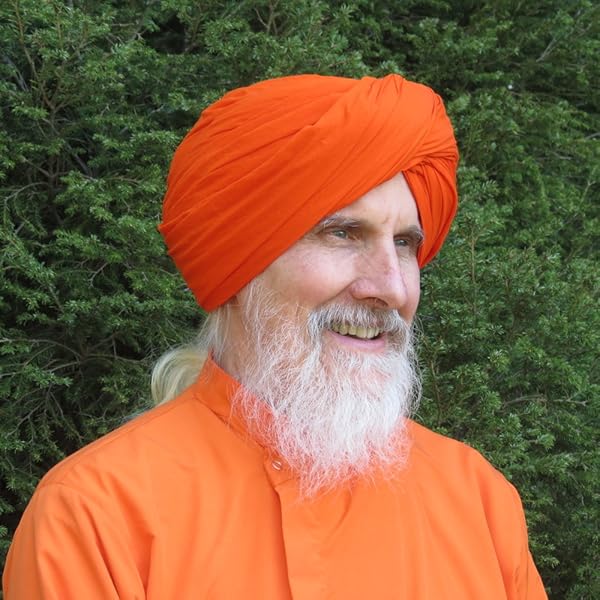
Dada Maheshvarananda
Dada Maheshvarananda is a yoga monk, activist and writer from the United States. As a student, he was active in the protests against the Vietnam War and adopted a radical approach to social change. He was inspired by the words of Che Guevara, to become a "true revolutionary guided by great feelings of love."
In 1978 he traveled to India and Nepal where he became a yogic monk and studied the Progressive Utilization Theory (Prout) under its founder, Prabhat Ranjan Sarkar. He taught meditation and organized for social justice for 14 years in Southeast Asia, three years in Europe and 21 years in Brazil and Venezuela. He has given hundreds of seminars and workshops at conferences, schools, yoga centers, and prisons about social activism, spiritual transformation, and cooperative games.
His first book, "After Captalism: Prout's Vision for a New World" with a preface by Noam Chomsky was published in 2003 and has been translated into 10 languages.
In 2007 he founded the Prout Research Institute of Venezuela in Caracas, where he served for nine years as director. His second book, "After Capitalism: Economic Democracy in Action", was published in 2012.
"Cooperative Games for a Cooperative World" was published in 2017. In 2019 he was the co-author with Mirra Price of "Tools to Change the World."
Read less about this author=
Barley
5.0 out of 5 stars The Words of a World Traveled Yogic Monk
Reviewed in the United States on 13 September 2013
Format: PaperbackVerified Purchase
From an experienced worldview Dada Maheshvaranda takes on describing the complex idea of Prout as it applies to economic, ecological, cultural, communal, and spiritual topics. He clearly describes the flaws of capitalism and how ideas such as decentralized economics and worker cooperatives can build a better economy for all. He calls this economic democracy.
He explores the radical idea of combining spirituality into mainstream culture. From my American perspective this idea was hard to grapple with at times, but I believe this idea has the opportunity to create a more just society.
I recommend this book to everyone and especially those who wish for an alternative to the consumerism, greed, and dehumanization that capitalism incurs.
4 people found this helpful
Report
Toqui
5.0 out of 5 stars Must read!
Reviewed in the United States on 26 March 2018
Verified Purchase
Excellent critique to capitalism from a spiritual and social justice perspective.
One person found this helpful
Report
=
After Capitalism
From Wikipedia

This article has multiple issues. Please help improve it or discuss these issues on the talk page. (Learn how and when to remove these messages)
This article is an orphan, as no other articles link to it. Please introduce links to this page from related articles. (January 2022)
The topic of this article may not meet Wikipedia's notability guideline for books. (April 2024)
After Capitalism: Economic Democracy in Action

Author Dada Maheshvarananda
Subject Post-capitalism, Prout
Genre Non-fiction
Publisher Innerworld Publications
Publication date 2012
Publication place USA
Pages 390 pp
ISBN 978-1-881717-14-0
Preceded by After Capitalism: Prout’s Vision for a New World
For other uses, see After Capitalism (set index).
After Capitalism: Economic Democracy in Action is a 2012 book by United States author Dada Maheshvarananda, an activist, yoga monk and writer.[1][2] The book argues that global capitalism is terminally ill because it suffers from four fatal flaws: growing inequity and concentration of wealth, addiction to speculation instead of production, rising unsustainable debt and its tendency to exploit the natural environment.
The author proposes a grassroots movement for economic democracy with cooperatives and local economies based on the Progressive Utilization Theory or Prout, a post-capitalist model conceptualized by Prabhat Ranjan Sarkar of India. The book includes a conversation with Noam Chomsky and essays by Frei Betto, Johan Galtung, Leonardo Boff, Sohail Inayatullah, Marcos Arruda, Ravi Batra and others.
Background
The author's first book, After Capitalism: Prout's Vision for a New World, with a preface by Noam Chomsky, was published in 2003 and, subsequently, translated into nine other languages. However, when the author started to update it, he discovered that both the world and the development of Prout had changed so much that more than 80 percent of the text was actually new material. Beyond this, economic democracy, a fundamental demand of Prout, was also starting to resonate with the Indignados Movement of Spain and the global Occupy Movement. Hence this book has a new title.
Content
Chapter 1: The Failure of Global Capitalism and Economic Depressions: A brief review of colonialism, the economics of the Cold War, common practices by multinational corporations, the 2008 financial crisis, economic depressions and global capitalism's four fatal flaws. "How to Live Through Economic Turmoil" by Mark A. Friedman.
Chapter 2: A New Social Paradigm Based on Spiritual Values: An ecological and spiritual perspective, Prout's philosophical base, universal spirituality, the concept of Cosmic Inheritance, the problems with materialism, and Neohumanism. Definition of social progress, definition of the dynamic web of life or "Pramá", how it is lost and how it can be restored. The benefits of meditation for activists. "The Importance of Prout and its Concept of Pramá" by Dr. Leonardo Boff.
Chapter 3: The Right to Live!: The minimum necessities of life guaranteed to all, pharmaceutical corporations vs. generic medicines, comparing Prout to Marxism, Communism and Participatory Economics. The Five Fundamental Principles of Prout and how they can be used to evaluate social policies, factors that motivate people to work and economic indicators for setting the minimum and maximum wages. "Striving to Achieve Affordable Health Care for All in Kenya" by Didi Ananda Rucira.
Chapter 4: Economic Democracy: Industry, commerce and service in three levels, how to provide housing for all, economic decentralization and socio-economic regions, comparing the welfare economics of Amartya Sen to Prout. Barter trade, Prout's monetary system, taxation, "A Proutist Response to Land Value Capture" by Dr. John Gross.
Chapter 5: Cooperatives for a Better World: Human nature competitive or cooperative? Successful cooperatives around the world, the Mondragón cooperatives, how worker cooperatives function, what makes cooperatives successful? Examples of small-scale cooperatives in Maleny, Australia and the Venezuelan cooperative experience.
Chapter 6: An Agrarian Revolution and Environmental Protection: The deepening crisis in agriculture, food sovereignty, Prout's agrarian revolution, agricultural cooperatives, ideal farming and the benefits of growing your own food. Agro- and Agrico-Industries, the benefits of a balanced economy. Prout Master Units, community supported agriculture (CSA), the Food, Farms and Jobs program of Illinois. Endangered rainforests, forest preservation strategies, tribal knowledge of medicinal plants, the Future Vision Ecological Park in Brazil and a block-level planning exercise.
Chapter 7: A New Perspective on Class, Class Struggle and Revolution: History and the Social Cycle, bloodless revolution and armed struggle, a new vision of history. The Sarkar Game. The exploitation of women throughout history and today, and the awakening of women. "Comparing the Class Analysis of Marx and Sarkar" by Dr. Ravi Batra and "Prout's Social Cycle" by Dr. Johan Galtung.
Chapter 8: Spiritual Revolutionaries: Sarkar's vision of Sadvipras, spiritual activism, facing our shadows. Goodness, evil and how to train heroes. Emotionally intelligent leaders and how to inspire others and yourself. "Becoming Sadvipras" by Satya Tanner and "Prout Lessons from Development Work in West Africa" by Dada Daneshananda.
Chapter 9: A New Concept of Ethics And Justice: Increase in violent crime, ethics for personal and social transformation, cardinal human values as the basis for legal justice, restorative justice and re-education centers for personal transformation, transforming prisoners through yoga and meditation, drug abuse as a health issue.
Chapter 10: "Our Culture is Our Strength!" Cultural Identity and Education: Psychic exploitation, culture, civilization and pseudo-culture, an educational revolution, Neohumanist schools, local and global languages, mass movements and guerrilla street theater. "Future Tasmania" by Liila Hass and "Using Prout to Evaluate and Support a Community Samaja Movement: The Maya of Panimatzalam, Guatemala" by Dr. Matt Oppenheim
Chapter 11: Prout's Governance: Different views on governance, democratic reforms, constitutional proposals based on Prout, a universal bill of rights, world government. "Transformative Strategies and the Futures of the Prout Movement" by Dr. Sohail Inayatullah.
Chapter 12: A Call to Action: Strategies for Implementing Prout: "Another World is Possible!" Organizing marginalized farmers, how to be an ideal activist. The Prout Research Institute of Venezuela and the Prout Institute (Eugene, Oregon, USA). Model cooperatives and community service projects, mass movements, a popular youth movement in Hungary and protests against global capitalism. Hope for the future.
Chapter 13: A Conversation with Noam Chomsky: About The Occupy Movement, economic democracy and cooperatives, limiting the accumulation of wealth, consciousness raising, and Latin America.
Afterword: "The Possibility of Creating Another World is in Our Hands" by Frei Betto.
Appendices: Discussion questions about the book, designing Prout Study Action Circles, Prout slogans.
Critical response
Praise
Bill Ayers in Left Eye on Books wrote, "In just a few pages I felt the brotherly embrace of a comrade-in-arms, a soul-mate, and a companion; further along his fierce intelligence and original insights challenged me to make new connections; by the end I was inspired to re-imagine next steps in my own efforts at movement-making."[3]
Gar Alperovitz, author of America Beyond Capitalism, wrote, "An ambitious and stimulating attempt to connect spiritual principles with the pragmatic work of building a better world."[citation needed] Gregory Wilpert, author of Changing Venezuela by Taking Power, wrote, "After Capitalism is a crucial contribution towards figuring out where we want to go, not only after capitalism, but now, as we try to build the new world within the old."[citation needed]
George Katsiaficas, activist and author of Asia's Unknown Uprisings, wrote: "With grace and intelligence, Dada Maheshvarananda illuminates paths of personal enlightenment and global transformation."[citation needed] Charles Eisenstein, author of Sacred Economics, wrote, "A broad ecological, social, political and spiritual awareness informs this vision of a new economic future."[citation needed]
Mixed
Jeff Fleischer in ForeWord Reviews wrote, "Most of the book is simply an explanation of Prout, and has the same strengths and weaknesses of the theory itself. While many of the goals advocated by Maheshvarananda and Prout supporters—such as diminishing income inequality and promoting citizen cooperatives—are certainly admirable, the theory is often vague about how they would be achieved or what a transition to a Prout economy would look like on a large scale... Too often, After Capitalism will seem naively unrealistic to opponents of Prout's vision while simultaneously obscure and lacking in specifics for those who would like to see its principles applied... Maheshvarananda is more effective in his critique of how current economic systems have created global wealth inequality, and at citing statistics for how poverty has spread even in wealthier nations. The most interesting parts of the book, however, are the guest contributions, which serve as case studies of using Prout principles in specific, smaller-scale projects around the world. While these contributions are quite short, they offer some of the detail lacking in the overall treatise."[4]
See alsoCriticism of capitalism
Dada Maheshvarananda
Post-capitalism
Prabhat Ranjan Sarkar
PROUT
Notes and references
"DADA MAHESHVARANANDA presents COOPERATIVE GAMES FOR A COOPERATIVE WORLD | Malaprop's Bookstore/Cafe". www.malaprops.com. Retrieved May 16, 2021.
"After Capitalism: Economic Democracy in Action by Dada Maheshvarananda - Paperback - from World of Books Ltd (SKU: GOR008710508)". Biblio.co.uk. Retrieved May 16, 2021.
“Trudge Toward Freedom: A Review of “After Capitalism” by Dada Maheshvarananda Archived May 18, 2013, at the Wayback Machine" by Bill Ayers, Left Eye on Books, January 15, 2013”
“After Capitalism: Economic Democracy in Action, by Jeff Fleischer, ForeWord Reviews, Dec. 5 2012.”
External linksProut Research Institute of Venezuela
Reviews and interviewsRadio interviews of Dada Maheshvarananda with Maeve Conlan of KGNU Independent Community Radio in Boulder, Colorado, Dec. 11 2012 and Dec. 13, 2012.
Trudge Toward Freedom: A Review of "After Capitalism" by Dada Maheshvarananda by Bill Ayers, Left Eye on Books, Jan. 15 2013
After Capitalism: Economic Democracy in Action, by Jeff Fleischer, ForeWord Reviews, Dec. 5 2012.
Categories: Anti-globalization books
Social change
Social philosophy literature
Contemporary philosophical literature
Criticism of capitalism
Works about capitalism=
=
Dada Maheshvarananda
| The topic of this article may not meet Wikipedia's notability guideline for biographies. (September 2014) |
Dada Maheshvarananda | |
|---|---|
 Maheshvarananda in 2011 | |
| Born | May 11, 1953 |
| Philosophical work | |
| School | Neohumanism |
| Main interests | PROUT, economic democracy, meditation, yoga |
Dada Maheshvarananda[1] (born May 11, 1953) is a yogic monk, activist, writer and the founder of the Prout Research Institute of Venezuela.[2][3][4][5]
Since becoming a monk in Ananda Marga, Maheshvarananda has taught meditation, yoga and the Progressive Utilization Theory (PROUT) globally.
Early life
Southeast Asia
From 1979 to 1991 Maheshvarananda taught meditation and yoga in Indonesia and the Philippines (also known as "Maharlika").[6]
Brazil
From 1992 to 2003 Maheshvarananda worked in Brazil, where he participated in Eco-92 and the World Social Forum.
Venezuela
Maheshvarananda and José Albarrán founded the Prout Research Institute of Venezuela in Caracas, an independent, not-for-profit foundation.
Publications
- “Go with the Flow” (1985)
- "A Personal Remembrance and Conversation with Paulo Freire, Educator of the Oppressed" in Neohumanist Educational Futures: Liberating the Pedagogical Intellect, edited by Sohail Inayatullah, Marcus Bussey and Ivana Milojević, Tapei, Tamkang University Press, 2006.
- “Revolutionary Consciousness: Development as transformation”(subscription required) in Development 46, (1 December 2003).
- “Will Organized Religions Survive in the New Millennium?” in New Renaissance, Vol. 9, Number 3.
- “Ideal Leadership”
- "Spirituality and Social Change"
- "The Human Costs of Economic Meltdown and its Alternative"
- "A New Social Paradigm Based On Spiritual Values" on Znet.
- Published with Mariah Branch, The Progressive Utilization Theory (Prout): Alternative Economic and Social Model for the Welfare of All (2010) in WorkingUSA: The Journal of Labor and Society.
- After Capitalism: Prout's Vision for a New World (2003, Proutist Universal Publications) ISBN 1-877762-06-7 (paperback), published in 10 languages.
- After Capitalism: Economic Democracy in Action (2012, Innerworld Publications) ISBN 978-1-881717-14-0 (paperback)
- Cooperative Games for a Cooperative World: Facilitating Trust, Communication and Spiritual Connection (2017, InnerWorld Publications) ISBN 978-1-881717-59-1 (paperback), published in three languages.
See also
References
- Maheshvarananda is the spiritual name (meaning in Sanskrit "one who experiences the bliss of the Supreme") and Dada (or Dada-ji, when intended with more respect), means elder brother in several Indian languages.
- "Review of After Capitalism". www.forewordreviews.com. 5 December 2012. Retrieved 2021-05-16.
- "DADA MAHESHVARANANDA presents COOPERATIVE GAMES FOR A COOPERATIVE WORLD | Malaprop's Bookstore/Cafe". www.malaprops.com. Retrieved 2021-05-16.
- Crisis, Hans G. DespainTopics: Economic; Media; Europe, Stagnation Places; Global; Kingdom, United (2013-11-01). "Monthly Review | It's the System Stupid". Monthly Review. Retrieved 2021-05-16.
- Maheshvarananda, Dada; Branch, Mariah (2010). "The Progressive Utilization Theory (prout): Alternative Economic and Spiritual Model for the Welfare of All". WorkingUSA. 13 (1): 31–40. doi:10.1111/j.1743-4580.2010.00271.x. ISSN 1743-4580.
- "Go with the Flow Archived 2012-01-10 at the Wayback Machine" (1985)
External links
=

After Capitalism: Economic Democracy in Action
Dada Maheshvarananda
3.90
21 ratings2 reviews
A grassroots movement for economic democracy based on cooperatives and local economies is quickly growing throughout the planet. After Capitalism, inspired by P.R. Sarkar's Progressive Utilization Theory (Prout), offers a compelling vision of an equitable, sustainable model which economically empowers individuals and communities. Filled with successful examples from six continents as well as many resources, activities and tools for activists,
Unknown Binding
First published July 31, 2012
Book details & editions


8 people are currently reading


60 people want to read
About the author

Dada Maheshvarananda7 books7 followers
Follow
Dada Maheshvarananda is a yoga monk, activist and writer from the United States. As a student, he was active in the protests against the Vietnam War and adopted a radical approach to social change. He was inspired by the words of Che Guevara, to become a "true revolutionary guided by great feelings of love."
In 1978 he traveled to India and Nepal where he became a yogic monk and studied the Progressive Utilization Theory (Prout) under its founder, Prabhat Ranjan Sarkar. He taught meditation and organized for social justice for 14 years in Southeast Asia, three years in Europe and 21 years in Brazil and Venezuela. He gives seminars and workshops at conferences, schools, yoga centers, and prisons about social activism, spiritual transformation, and cooperative games.
His first book, "After Captalism: Prout's Vision for a New World" with a preface by Noam Chomsky was published in 2003 and has been translated into 10 languages.
In 2007 he founded the Prout Research Institute of Venezuela in Caracas, where he served for nine years as director. His second book, "After Capitalism: Economic Democracy in Action", was published in 2012.
Show more
Friends & Following
No one you know has read this book. Recommend it to a friend!
Community Reviews
3.90
21 ratings2 reviews
5 stars
12 (57%)
4 stars
2 (9%)
3 stars
2 (9%)
2 stars
3 (14%)
1 star
2 (9%)
Search review text
Filters
Displaying 1 - 2 of 2 reviews

Rebekah Moan
Author 2 books16 followers
Follow
April 17, 2013
Oh thank goodness. Reading Dada Maheshvarananda's book is like a balm for my heart. Finally, information about an economic system devoted to the fact I'm not a money-making machine. I'm a person who is complex, with feelings, needs, and values that cannot be expressed and fully realized in the current capitalist structure. His book details an alternative that allows us to at least shoot for our true potential but doesn't fall into the traps or propaganda of systems that have come before.
If you're looking for a book that details exactly why capitalism and communism don't work -- and offers an alternative -- this is the book for you.
4 likes
Like
Comment

Eivind
50 reviews
Follow
August 4, 2016
PROUT, Progressive Utilization Theory, is the framework for this book, and the proposed tool to shape society "After Capitalism." The economist Paul Erdman described another book on PROUT as “a strange mixture of voodoo historical theories and sound economic analysis.” Add a comma after "voodoo," and I think that works for this one, as well.
Voodoo (or just woo):
Materialism as most people use the word today, greed for material wealth and success measured by material accumulation, is a natural consequence of the rise of philosophical materialism, the belief that matter is all there is. This is what has lead us to the current Capitalist world order. Primitive spiritualism can fill the void in our existence that we currently fill with stuff. As we move away from materialism, a conflation of the economic and the philosophical variety, the path to a sustainable future where we live in harmony with nature opens up.
Historical theories:
There are four (arche)types, or classes, of human beings: laborers, warriors, intellectuals and merchants. Their labels, and to a certain degree their description, is borrowed from Hinduism, it seems. The grand narrative explains all of history as a cycle where these types take turns being the dominant type. (The dial is currently firmly lodged in the capitalist/merchant position, if you were in doubt.) To placate Mark Twain, who famously insisted history doesn't repeat itself, it merely rhymes, the cycle viewed in 3D is actually a spiral. We’re not going back to what was before after the revolution, we just go back to having the worker type dominate. As history progresses/revolves, we will from time to time be blessed with a few ‘Übermenschen’ who are a perfect mix of the four archetypes. These “enlightened moralists,” Sadvipras, will accelerate social progress whenever the wheel gets stuck because the dominant class has become corrupted.
Economic analysis:
PROUT wants an end to the capitalist world domination, an end to governments in Western democracies only representing the 1%, an end to the ruthless exploitation of the poor by the rich, and an end to the exploitation of "Mother Earth."
Economic democracy in a decentralized economy where cooperatives replace corporations, is the remedy. Small private initiatives are also envisioned to play a part, while large infrastructure elements like roads and railroads will be state owned.
I am unsure how to rate this book. The reason I picked up this book is my interest in theories on economic democracy and cooperatives/worker-self directed enterprises. The vision for the future in this book is pretty close to other accounts I've read on the subject (After Capitalism by Schweickart and Democracy at Work by Wolff), and I really like this vision.
I am allergic to woo, though, and this book gave me plenty of hives with its spiritualism, universal consciousness, homeopathy, naturopathy and general "holistic" approach.
As religion goes, this isn't so bad, though, and our goals seem to be very similar. I prefer the other accounts I've read to this one, but… three stars? Yeah, lets give it three stars.
==
==
다다 마헤슈바라난다(Dada Maheshvarananda)가 2012년에 저술한 책 《자본주의를 넘어서: 경제 민주주의의 실천(After Capitalism: Economic Democracy in Action)》에 대한 약 1,000 단어 분량의 요약 및 평론입니다.
도서 정보
제목: After Capitalism: Economic Democracy in Action (자본주의를 넘어서: 경제 민주주의의 실천)
저자: 다다 마헤슈바라난다 (Dada Maheshvarananda)
출판년도: 2012년
1. 요약: 프로트(PROUT)와 경제 민주주의의 비전
이 책은 2008년 금융 위기 이후, 전 세계적으로 심화된 빈부 격차와 환경 파괴, 그리고 자본주의의 구조적 모순에 대한 해답을 찾고자 하는 시도에서 출발한다. 저자인 다다 마헤슈바라난다는 요가 수행자이자 사회 운동가로서, 인도 철학자 P.R. 사카르(Prabhat Ranjan Sarkar)가 창안한 <진보적 활용론(PROUT, Progressive Utilization Theory)>을 바탕으로 새로운 경제 모델을 제시한다.
자본주의와 공산주의의 실패
저자는 먼저 자본주의와 공산주의라는 지난 세기의 두 가지 지배적인 경제 체제가 모두 인간의 행복을 보장하는 데 실패했다고 진단한다. 자본주의는 이윤 극대화를 위해 인간과 환경을 착취하고 부를 소수에게 집중시키는 반면, 과거의 공산주의는 국가가 경제를 독점하여 개인의 창의성과 자유를 억압하고 비효율을 초래했다. 저자는 현재의 글로벌 자본주의가 <기업 전체주의(Corporate Totalitarianism)>에 가깝다고 비판하며, 민주주의가 정치적 영역에만 머물러 있고 경제적 영역에는 전혀 적용되지 않고 있음을 지적한다.
경제 민주주의의 핵심 원칙
책의 핵심인 <경제 민주주의>는 경제적 의사 결정권이 소수의 주주나 경영진이 아닌, 지역 사회와 노동자들에게 분산되어야 한다는 사상이다. 이를 위한 구체적인 방안으로 저자는 다음과 같은 구조를 제안한다.
<최소 필수품의 보장>: 의식주, 교육, 의료와 같은 인간의 기본적 필요는 구매력이 있든 없든 사회가 보장해야 한다. 이는 단순한 복지가 아니라 헌법적 권리로 격상되어야 한다.
<구매력의 증대>: 경제 성장의 척도는 GDP가 아니라 대중의 구매력 향상이어야 한다.
<협동조합 중심의 경제>: 경제의 허리는 노동자가 소유하고 운영하는 협동조합이 맡아야 한다. 몬드라곤 협동조합과 같은 성공 사례를 들며, 협동조합이 자본주의 기업보다 위기에 강하고 고용 안정성이 높음을 역설한다.
<산업의 3단계 구조>:
소규모 사업: 개인의 창의성이 중요한 소규모 자영업이나 예술 분야는 <개인 소유>를 유지한다.
중/대규모 산업: 대부분의 제조 및 서비스 산업은 <노동자 협동조합> 형태로 운영된다.
핵심 기간산업: 에너지, 통신, 운송 등 대규모 자본이 필요하고 공공성이 강한 분야는 <공공(지방 정부 혹은 국가) 소유>로 운영하되 이윤을 추구하지 않는다.
영성과 사회 변혁의 결합
PROUT 이론의 독특한 점은 경제 이론에 <영성(Spirituality)>과 윤리를 결합했다는 것이다. 저자는 물질적 풍요만으로는 인간이 행복해질 수 없으며, 탐욕을 제어하고 타인과 생태계를 배려하는 <신인본주의(Neo-humanism)> 정신이 필요하다고 강조한다. 또한, 사회를 이끌어갈 리더십으로 도덕적 용기와 영적 통찰력을 겸비한 <사드비프라(Sadvipra)>라는 개념을 제시한다. 이들은 특정 계급의 이익을 대변하지 않고 사회 전체의 진보를 위해 봉사하는 영적 혁명가들이다.
실행을 위한 로드맵
책의 후반부는 이론을 넘어 실천을 강조한다. 베네수엘라의 협동조합 실험, 브라질의 참여 예산제 등 전 세계의 대안 경제 운동 사례를 소개하며, 독자들에게 지역 사회에서부터 변화를 시작할 것을 촉구한다. 저자는 부패를 척결하고, 지역 자급자족 경제를 강화하며, 환경을 파괴하지 않는 범위 내에서 자원을 최대한 활용하는 것이 인류의 생존을 위한 유일한 길이라고 결론짓는다.
2. 평론: 영적 사회주의의 가능성과 한계
《자본주의를 넘어서》는 주류 경제학이 상정하는 '이기적 인간(Homo Economicus)'의 전제를 거부하고, 이타심과 영성을 겸비한 인간상을 바탕으로 경제 시스템을 재설계하려는 야심 찬 저작이다. 이 책은 차가운 경제학 교과서라기보다는 뜨거운 사회 변혁 지침서에 가깝다.
제3의 길에 대한 구체적 청사진
이 책의 가장 큰 미덕은 단순히 자본주의를 비판하는 데 그치지 않고, <구체적인 대안 구조>를 제시한다는 점이다. 많은 반자본주의 서적들이 문제 진단에는 탁월하나 해결책에서는 추상적인 '연대'나 '혁명'을 외치는 데 머무는 반면, 마헤슈바라난다는 산업 규모에 따른 소유 형태의 구분(개인, 협동조합, 공공)이라는 명확한 가이드라인을 제시한다. 특히 협동조합을 경제의 주축으로 설정한 것은 시장의 효율성을 일정 부분 인정하면서도 착취를 배제하려는, 현실적이면서도 이상적인 접근이다.
물질과 정신의 균형
마르크스주의가 유물론에 입각해 종교와 영성을 '인민의 아편'으로 치부했던 것과 달리, PROUT는 영적 가치를 사회 변혁의 필수 요소로 끌어안는다. 이는 현대 사회의 병폐인 물질 만능주의와 정신적 공허함을 동시에 치유하려는 <통합적 접근>이다. 환경 보호와 동물 권리까지 포괄하는 신인본주의 철학은 21세기의 생태 위기 시대에 시사하는 바가 크다.
비판적 시각: 현실 정치와 '사드비프라'의 딜레마
그러나 이 책이 제시하는 비전에는 몇 가지 뚜렷한 한계와 위험 요소가 존재한다.
첫째, <사드비프라(도덕적 지도자)> 개념의 현실성 문제다. 플라톤의 '철인 정치'를 연상시키는 이 개념은, 고도로 훈련된 도덕적 엘리트가 사회를 올바른 방향으로 이끌어야 한다고 주장한다. 하지만 현실 정치에서 "누가 그들의 도덕성을 검증할 것인가?"라는 질문은 해결하기 어렵다. 도덕적 권위가 독재의 명분으로 변질될 위험성은 역사 속에서 수없이 반복되었다. 저자는 이들의 영적 수련을 강조하지만, 제도적 견제 장치보다 개인의 수양에 의존하는 시스템은 불안정할 수밖에 없다.
둘째, <이행 전략의 모호성>이다. 저자는 베네수엘라의 차베스 정권 당시의 협동조합 지원 등을 긍정적인 사례로 인용하지만, (최근의 역사적 결과가 보여주듯) 국가 주도의 하향식 협동조합 육성은 지속 가능성이 떨어지고 부패에 취약할 수 있다. 기득권 세력이 공고한 자본주의 시스템 안에서 어떻게 평화적으로 이러한 급진적인 경제 민주주의로 전환할 수 있을지에 대한 정치적 로드맵은 다소 낙관적이거나 이상주의적으로 보인다.
셋째, <종교적 색채에 대한 거부감>이다. PROUT는 보편적 가치를 지향한다고 하지만, 그 뿌리는 인도 철학와 탄트라 요가에 닿아 있다. 명상과 채식, 영적 규율을 강조하는 대목은 세속적인 사회주의자나 일반 대중에게는 진입 장벽으로 작용하거나, 특정 종교 단체의 교리 전파로 오해받을 소지가 있다.
결론: 영감이 필요한 시대를 위한 제안
그럼에도 불구하고 《자본주의를 넘어서》는 읽을 가치가 충분하다. 이 책은 경제가 단순히 돈의 흐름이 아니라 인간의 행복과 영적 성장을 돕는 도구여야 함을 상기시킨다. <경제 민주주의>라는 화두는 양극화가 극에 달한 지금, 우리가 반드시 풀어야 할 숙제이다. PROUT의 모든 제안을 받아들일 수는 없더라도, 협동조합 중심의 경제와 기본적 필요의 보장이라는 아이디어는 <포스트 자본주의>를 상상하는 데 있어 강력한 영감을 제공한다. 자본주의의 대안을 고민하는 이들에게, 특히 물질적 분배를 넘어 가치관의 혁명을 꿈꾸는 이들에게 일독을 권한다.
이 책은 선생님께서 최근 관심을 가지셨던 베네수엘라의 사례나 반자본주의적 시각과 연결되면서도, 마르크스주의와는 결이 다른 <영성 기반의 경제 모델>을 다루고 있어 흥미로우실 것 같습니다.
혹시 이 책에서 강조하는 <협동조합 중심의 경제 체제>가 현실적으로 기존 대기업 시스템을 대체할 수 있다고 보시는지, 혹은 PROUT 이론의 창시자인 P.R. 사카르(Sarkar)의 다른 사상에 대해서도 궁금하신 점이 있으신가요?
네, <“닮은 점(유사성)”은 있었지만 “PROUT를 국가 경제노선으로 채택해 실행한 것”으로 확인되는 사례는 거의 없습니다.>
<한국어>
1) <“PROUT 정책”을 공식 채택했나?>
-
PROUT(Progressive Utilization Theory) 자체는 “어느 나라에서도 전체 체제로 구현된 적이 없다”는 정리(예: 개요 수준의 정리문)도 있습니다. en.wikipedia.org
-
차베스 정부의 공식 노선은 보통 <볼리바르 혁명/21세기 사회주의>로 분류되며, “PROUT 채택”이 정부의 공식 정책 프레임으로 자리 잡았다는 근거는 강하게 잡히지 않습니다.
2) <그럼 왜 ‘PROUT적’이라고 느껴질 수 있나?>
차베스 시기 정책 중 일부는 PROUT가 강조하는 키워드(경제민주주의, 분권, 협동조합, 최소생활 보장 등)와 <겹치는 모습>이 있습니다.
-
<협동조합·연대경제 확대>
차베스 정부는 협동조합/사회적 경제를 중요한 축으로 밀었습니다. (당대 논의에서도 “협동조합 형성 지원”이 초기 경제 청사진의 한 부분이었다고 정리됩니다.) Venezuelanalysis -
<사회 프로그램(미션)과 기본재 보조>
2003년 이후 ‘볼리바리안 미션’(보건·교육·식료품 보조 등)이 확장됩니다. Council on Foreign Relations+1 -
<노동자 공동관리/공장 점거-재가동 등 실험>
2005년 전후로 노동자 공동관리(코-매니지먼트) 실험들이 소개됩니다. Venezuelanalysis+1 -
<참여민주주의·코무날(공동체) 제도화>
2006년 ‘코무날 카운슬(Communal Councils)’ 제도화는 참여·분권 실험의 상징 중 하나로 자주 언급됩니다. eprints.lse.ac.uk+1
이런 점 때문에 PROUT 지지자/연구자들은 “베네수엘라가 PROUT의 몇몇 원칙 쪽으로 이동 중”이라고 비교하기도 했습니다. Venezuelanalysis
3) <PROUT 진영이 베네수엘라에서 ‘연결’을 만들려 한 흔적>
-
<PROUT 연구기관(Prout Research Institute of Venezuela)>이 2006년 카라카스에서 설립됐고(마헤슈바라난다 등이 관여), 베네수엘라 현실을 “PROUT 관점에서” 분석·교육하려는 활동이 있었습니다. en.wikipedia.org+1
-
다만 이는 어디까지나 <시민사회/운동·교육 영역의 시도>이지, 차베스 정부가 “우리는 PROUT를 채택한다”라고 정책 패키지로 채택한 것과는 구분해야 합니다. (해당 자료도 “정부 목표가 PROUT와 유사한 부분이 있다”는 식으로 서술합니다.) Ananda Marga Gurukul+1
결론
<차베스 정권이 PROUT를 ‘공식 경제정책’으로 채택해 추진했다기보다는, 차베스식 21세기 사회주의의 일부 실험(협동조합, 참여기구, 공동관리 등)이 PROUT의 몇몇 원칙과 ‘겹쳐 보이는 구간’이 있었고, 이를 PROUT 진영이 적극적으로 해석·접속하려 했던 것>에 가깝습니다. Venezuelanalysis+2Ananda Marga Gurukul+2
<English>
Was there an explicit PROUT-based economic program under Chávez?
Probably not. PROUT is often summarized (even by general reference overviews) as <not implemented as a full system anywhere>, and Chávez-era Venezuela is typically described under the framework of <Bolivarianism / “Socialism of the 21st Century,”> not PROUT. en.wikipedia.org
Why do people sometimes call Chávez-era policies “PROUT-like”?
Because several Chávez-era initiatives overlap with PROUT’s recurring themes:
-
expanded <cooperatives> and solidarity economy language Venezuelanalysis
-
broad <social missions> (health, education, subsidized food, housing) Council on Foreign Relations+1
-
experiments with <worker co-management> Venezuelanalysis+1
-
institutional pushes toward <participatory/communal structures> (notably communal councils around 2006) eprints.lse.ac.uk+1
PROUT networks inside Venezuela
There was also a PROUT-facing civil-society presence: the <Prout Research Institute of Venezuela> was founded in Caracas (2006), and PROUT advocates produced comparisons claiming Venezuela was moving toward some PROUT principles. en.wikipedia.org+2Venezuelanalysis+2
Bottom line
It’s more accurate to say: <Chávez-era experiments sometimes resembled parts of PROUT, and PROUT advocates tried to interpret/connect to that process>, rather than Venezuela adopting PROUT as an official state economic doctrine.


No comments:
Post a Comment